
A Candymaker’s Guide to Humidity
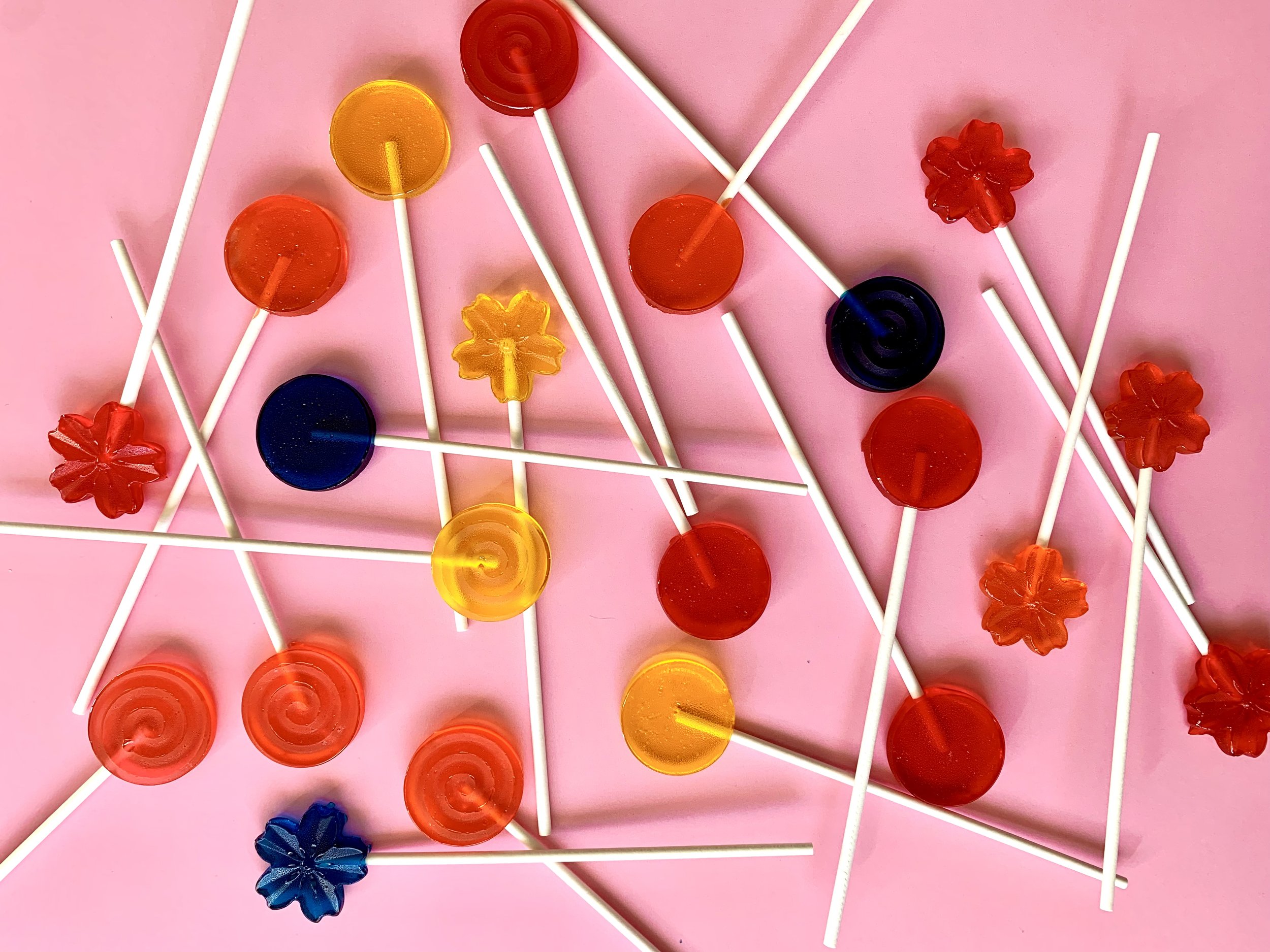
Humidity is one of the most common—and invisible—variables in candy making. Sugar pulls moisture from the air, so even a solid recipe can behave unpredictably when the environment is damp. Understanding relative humidity, monitoring it, and choosing the right time to cook sugar will give you far more consistent results.
Why Humidity Matters
Most candies depend on controlling crystallization and evaporation. High humidity slows evaporation, keeps sugar syrups wetter, and can soften or dull finished pieces. Caramels may stay sticky and even sweaty looking or lollipops can turn cloudy or soft.
Relative humidity (RH) is the measurement to watch. RH tells you how much water vapor is in the air compared to the maximum the air can hold at that temperature. For candy making, the lower the relative humidity, the more predictable your results.
General RH Guidelines
Below 35% RH: Ideal for almost all sugar work, especially hard candy and lollipops.
35–50% RH: Acceptable for most recipes, but hard candy may need extra care.
Above 50% RH: Expect problems with stickiness, cloudiness, and slow cook times. Avoid hard candy entirely if possible.
Best Times of Day to Make Candy
Humidity fluctuates throughout the day, even indoors.
Late morning to early afternoon tends to be lowest in most homes, especially once any overnight moisture has dissipated.
Avoid early mornings when RH is often higher due to cooler temperatures.
If you use a kitchen exhaust fan, run it before you start cooking; it helps stabilize indoor levels.
Best Seasons for Candy Making
This varies by region, but general patterns apply:
Winter: Usually the most reliable time. Cold outdoor air holds less moisture, and heated indoor air is typically dry.
Fall and early spring: Good windows if the weather is cool and not rainy.
Summer: The most challenging season. Warm air holds more moisture, and kitchens often run steamy from cooking. Hard candy and pulled sugar are often unpredictable.
If you make candy frequently, you’ll notice your own seasonal patterns. Track them—your kitchen has its own “microclimate.”
Using a Humidity Reader
A small digital hygrometer is one of the most useful tools you can keep in the kitchen. They’re inexpensive, accurate, and make troubleshooting far easier.
What to look for:
Fast RH refresh rate
Temperature + humidity display
Ability to calibrate (optional but helpful)
A model you can leave out on the counter at all times
Check your humidity before you start any batch. If it’s too high, it’s more efficient to wait for better conditions than to waste ingredients.
Working Around High Humidity
If conditions aren’t ideal but you have an absolute need to make candy (been there):
Run a dehumidifier in your kitchen for 1–2 hours beforehand.
Use air conditioning, which naturally removes moisture.
Package your finished candies as soon as possible. I even package them while they are still warm!
Avoid recipes heavily affected by humidity (hard candy, toffees, pulled sugar).
Bottom Line
Knowing your relative humidity and timing your batches for the driest parts of the day and year will give you cleaner breaks, glossier finishes, and fewer sticky surprises. A $10 hygrometer and some humidity awareness can completely change your consistency in candy making.
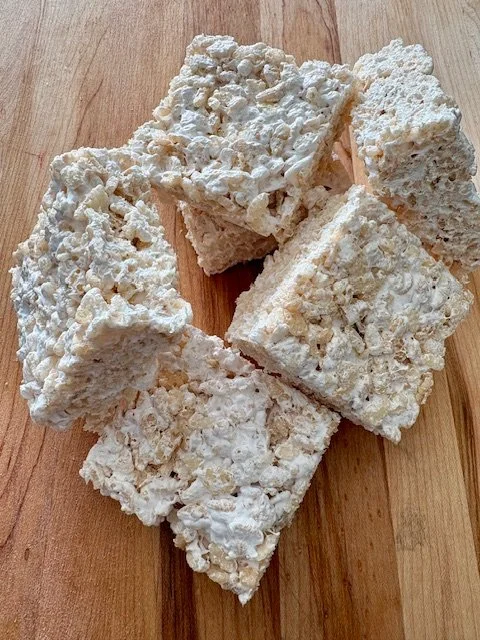
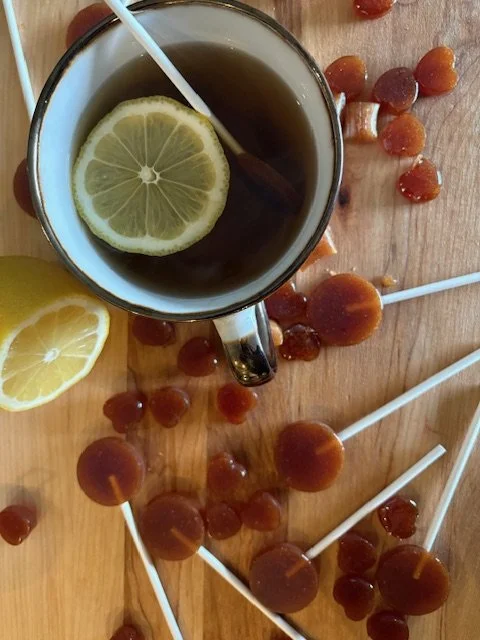
Check out these sweet recipes that are not so humidity sensitive:

Hey, I’m Kim!
After a lot of practice (and a few sticky disasters), I’ve crafted a delicious selection of lollies and mastered a ton of candy making tips to share with you—lump free. (You’re welcome.)

If you love decorating cakes and creating edible characters, you may have come across modelling chocolate, a sweet, pliable chocolate dough that can be shaped, sculpted, and moulded into all kinds of decorations. I’ve recently had the chance to put modelling chocolate to the test in a rather big way: I made and wrote a book where every character was created out of modelling chocolate and every prop and background scene was made out of candy. Really.